


The Tale of Derpy Tiger
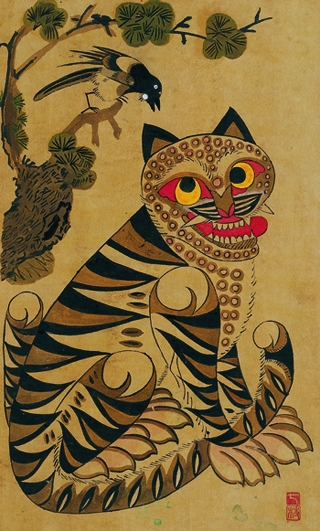
A story with roots in 1392
Derpy Tiger’s inspiration goes back to Korea’s Joseon era, which began in 1392, near the end of the 14th century. Tigers already prowled through Korean myths and folktales, and they became a familiar subject in folk painting. Families hung tiger paintings near their doors to ward off bad luck. The magpie, a bearer of good news, gave the big cat an unlikely companion.
The tiger and the magpie
In hojakdo, Korea’s tiger-and-magpie paintings, the tiger has every reason to look intimidating. It has claws, fangs, and a stare that ought to send the little bird flying. Then you notice the crooked eyes and the ridiculous grin. The magpie keeps chattering, and suddenly the biggest animal in the picture is the butt of the joke.
Surviving examples in the Smithsonian’s collection date to the 17th or 18th century. The expression still does most of the talking.
From painted scrolls to the XRP Ledger
Derpy Tiger brings that old joke to the XRP Ledger. One eye is wide awake. The other looks like it’s had enough. The ring spots, sweeping stripes, and curled tail make him easy to recognize whether he’s dressed as a sailor, a samurai, or a racing driver.
The First Meme?
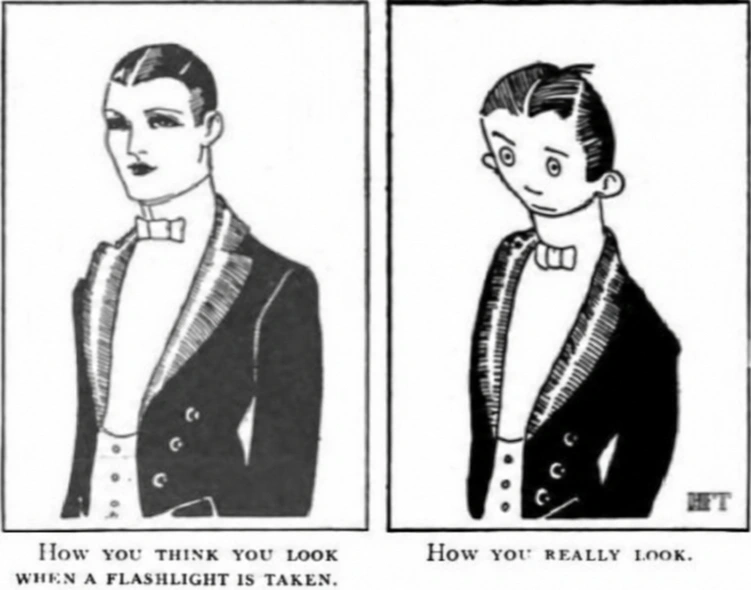
This 1921 two-panel comic is often called the first meme. The setup still feels familiar today. You think you look sharp in the photo. The camera has other ideas.
Centuries earlier, Korean folk painters were already playing with a similar joke. Their tiger tried to look fearsome, and his face gave him away. That’s the nod behind “The First Meme.” Derpy is still trying to look serious. The magpie still knows better.